Puppy Growth Calculator
Project your puppy's adult weight and growth curve from current age and weight. Works best once the puppy is past 8 weeks.

How this calculator works
Size-category growth curves from Waltham Centre puppy-weight tables.
How this calculator works
Each size category has a typical puppy-growth curve. We find where on the curve your puppy is today, then project forward to the curve's adult-weight point.
- 1
curve = walthamGrowthCurve(size)
Waltham Centre puppy-weight tables define typical growth curves for each size category. Toy and small breeds reach adult weight by around 10 months; large and giant breeds take 14–18 months.
Waltham Centre for Pet Nutrition; WSAVA puppy growth guidance.
- 2
positionOnCurve = currentWeight / currentCurveWeight
We find where on the size-curve this puppy's current weight sits, then project forward along the same curve to adult age.
Observational; derived from Waltham reference curves.
- 3
adultWeight = curve[adultAgeWeeks] × position
Multiply the curve's adult-age weight by the position ratio. A puppy tracking above-median will project above-median adult weight; a slower-growing puppy will project lower.
Waltham Centre.
When to use this calculator
Use this when you're planning for an adult-weight gear transition (crate, harness, bed), scheduling an orthopedic-friendly activity ramp, or just curious how big your puppy is likely to end up. The projection gets more accurate as the puppy ages; at 4–6 months it is usually within 10% for a purebred.
Pair it with the Food and Calorie calculators to plan portion sizes — those factor life stage and shift automatically as the puppy matures.
Frequently asked
How accurate is this projection?
Population-level, and more accurate for purebreds than mixed-breeds. For a Labrador at 4 months, the projection is usually within 10% of adult weight. For a mixed breed with unclear adult-size heritage, the range widens — the calculator still gives a useful anchor, just with more room on either side.
Should I be feeding my puppy to hit the projection?
No — that would be backwards. Feed your puppy per veterinary guidance (or the food bag's puppy feeding chart), keep body condition in the ideal range, and the puppy will grow at its natural rate. The calculator projects where the puppy is heading; it doesn't tell you how much to feed.
What if my puppy is larger than expected for its age?
Adjust the size-category upward (e.g., medium → large). Some dogs are bigger than their breed would predict because of heritage, frame, or crossbreeding. The goal is to pick the curve that actually matches the puppy's trajectory, not the one you expected them to follow.
Related calculators
- Dog age
Dog Age Calculator
The flagship: breed- and size-aware dog-to-human age conversion, built on the UCSD 2019 epigenetic clock.
Open calculator - Weight
Dog Weight Calculator
Ideal adult weight by breed and frame, plus a body-condition-score lookup.
Open calculator - Food
Dog Food Calculator
Daily cup and gram portions by weight, activity level, and life stage.
Open calculator
Related reading
- Pillar guide
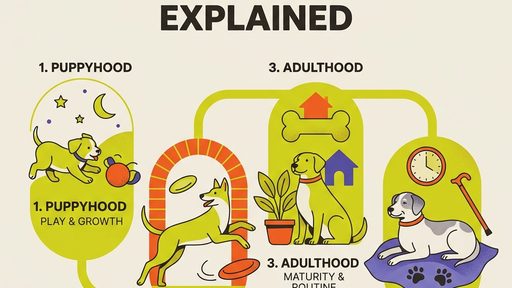
The Six Dog Life Stages, Explained
Puppy to geriatric, per the AAHA 2019 framework — with size-specific thresholds. The terminology every vet uses, translated for owners.
Read guide - Pillar guide
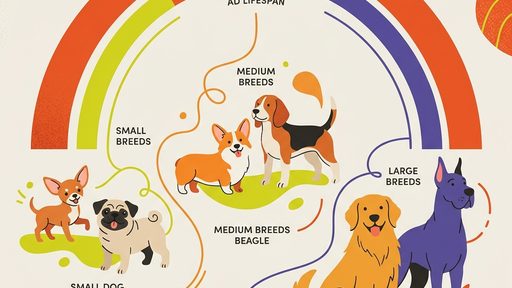
Dog Lifespan by Breed Size
The five canine size categories — toy, small, medium, large, giant — with RVC VetCompass median lifespans, representative breeds, and the exceptions worth knowing about.
Read guide


Sources
The formula and life-stage logic on this page cite the peer- reviewed research and veterinary-organization guidelines below.
- Peer-reviewed · 2004Hawthorne AJ, Booles D, Nugent PA et al. — Body-weight changes during growth in puppies of different breeds
Empirical puppy growth data across breed sizes; backbone of the curve shape.
- Peer-reviewed · 2017Salt C, Morris PJ, Wilson D et al. — Growth standard charts for monitoring bodyweight in dogs of various sizes
Size-specific growth reference charts — the canonical source for adult-age targets.
- Reference tablesWaltham Centre for Pet Nutrition — Puppy Growth Reference Curves
Size-category growth curves that power the projection logic.
- Veterinary guideline · 2019AAHA — 2019 Canine Life Stage Guidelines
Life-stage definitions and growth windows.